The product · the object
One canonical object.
Every risk as one machine-readable document — exposure, peril, structure, trigger, period — with every run recorded onto its provenance. Open, versioned, free to implement.
Read the schema → Store your first object →
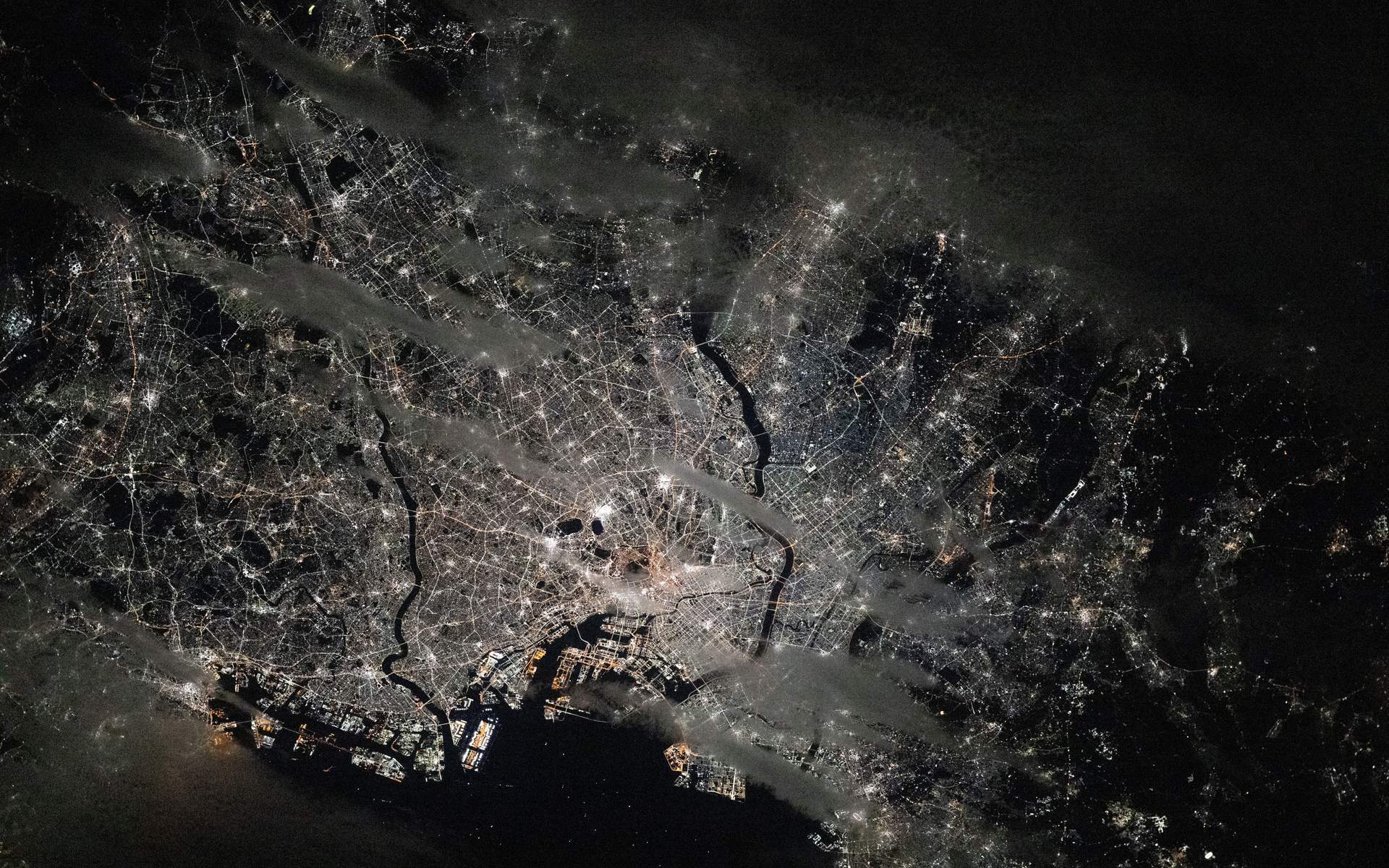
Backdrop: the Greater Tokyo Area at night from the ISS, 18 October 2025 — NASA, public domain. The flagship object on these pages is a Kanto earthquake structure.
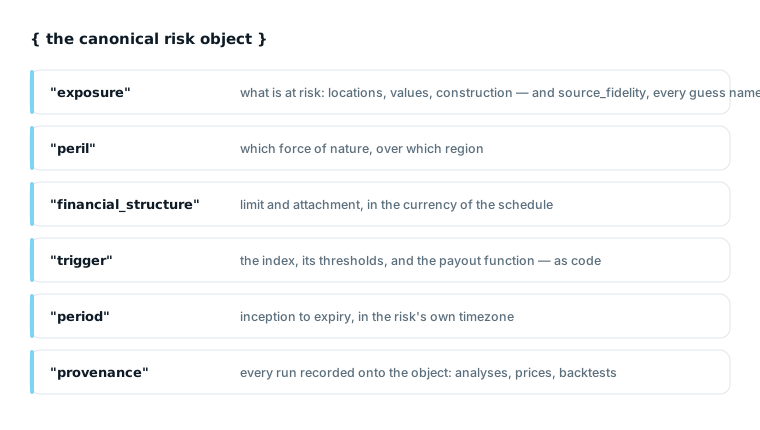
Anatomy
Six blocks, nothing hidden
The file you were sent becomes the first block; everything
the platform did lands on the last. source_fidelity names every guess
ingest made — printed even when empty.
The trigger, as code
A payout function you can read
A trigger is not prose here: it is an index, its measurement, its thresholds and a payout function, each a field a machine can validate and replay. This is the real payout function of the object on the home page — a step paying 25% of limit at magnitude 6.0, 50% at 6.5, and the full limit at 7.0.
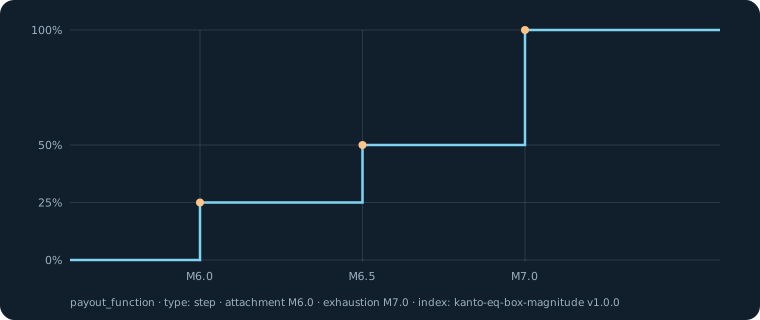
trigger.index.payout_function of the home page’s
kanto-eq-box object, drawn as committed — the same figures
make docs checks against the live API on every change.
The trigger object is the
field-by-field reference.
The vocabulary is wider than the models
Eight perils in the object; every absence named
The canonical object carries flood, wildfire, severe convective storm, cloud outage and grid outage today — valid, storable, rolled up in accumulation — while this build prices earthquake and the station-measured indices. A peril without a model is refused by name, never handed a number no model stands behind.
Conformance
The schema is open. Implement it freely.
Served versioned beside the docs, consumable with no account and no key — the same files Craton validates its own responses against. Domains extend it through peril packs, proposed as public RFCs. The engine, the normalisation, the hosted verbs and validation are what you pay for.