For analysts and developers
Add catastrophe models and hazard data to your own tools
Use Craton’s models, hazard data and exposure tools through a simple HTTP API. You do not need an SDK, and the same inputs always give the same result.
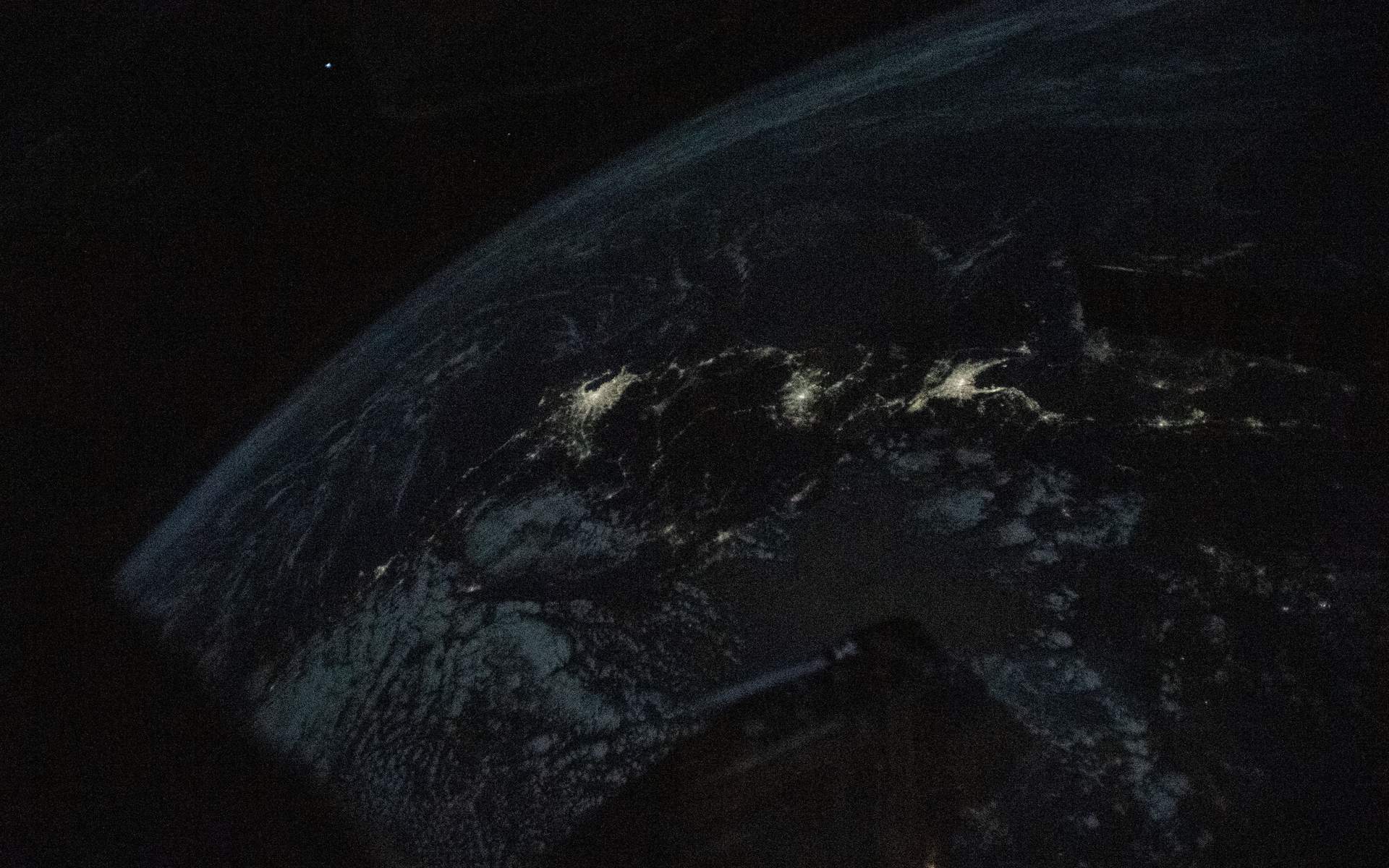
Image: Tokyo, Nagoya and Osaka at night from the ISS. NASA, public domain.
A hazard lookup · Miami, hurricane wind
Versioned data
- CallGET /hazard
- Dataera5-wind-miami, version 2026-08-14
- Record40 years, 1986 to 2025
- MethodEmpirical annual maxima
Getting started
Get your first result in three API calls
-
Get a key
One call creates a free key, with no card needed. The key is shown only once.
-
Look up hazard data
Get hazard levels at a location, past events nearby and the datasets they come from.
-
Run a model
Start a run with any of the nine open models on your locations, then check its status.
For developers
Plain HTTP and open formats
Repeatable results
Data is versioned, so the same request next year gives the same result.