For AI agents
Connect your AI agent to Craton
The docs are available as plain text, and an MCP server gives your agent the main API features as tools.
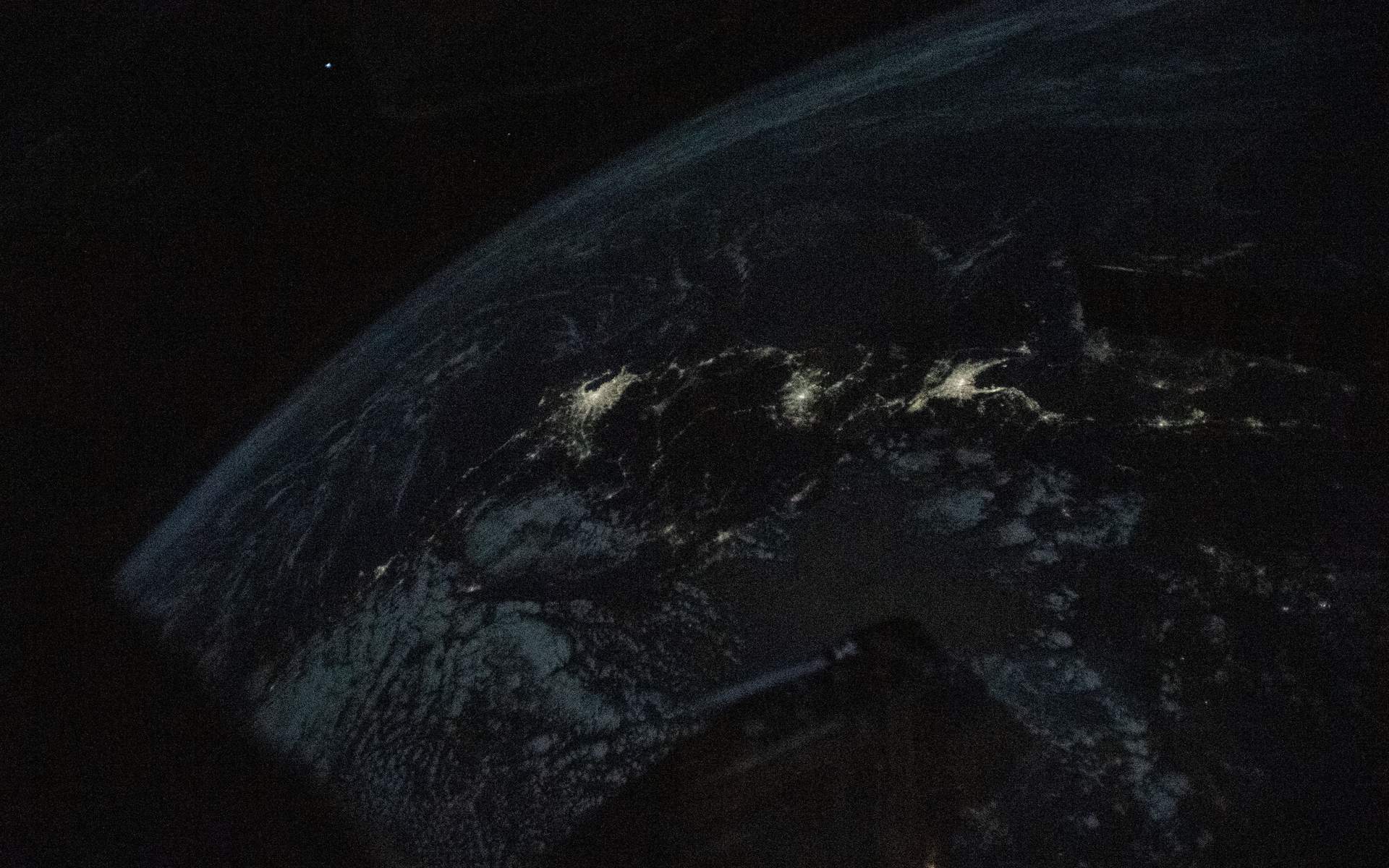
Backdrop: Tokyo, Nagoya and Osaka at night from the ISS, NASA, public domain.
Read https://docs.oncraton.com/agents.md
Get a key, model our exposure, price
something. Report back with run ids.Getting started
How an agent gets started
It takes four requests, with no manual setup.
-
Reads the index
A plain-text index of every docs page.
GET/llms.txt -
Reads the pages
Add .md to any docs page for raw markdown.
GET/agents.md -
Gets a key
A free sandbox key, with no payment details needed.
POST/signup201 -
Uses the tools
Over MCP, or the same API over plain HTTP.
MCPmcp.oncraton.com/mcp
Docs live on docs.oncraton.com and the API on api.oncraton.com. Agents should call GET /health first and send a descriptive User-Agent header.
MCP
Add the MCP server
The MCP server gives an agent the API’s main features as tools. The agent can get its own key with create_api_key.
claude mcp add --transport http craton https://mcp.oncraton.com/mcp{
"mcpServers": {
"craton": {
"type": "http",
"url": "https://mcp.oncraton.com/mcp"
}
}
}Cursor and VS Code
Cursor (~/.cursor/mcp.json) takes the same object under mcpServers. VS Code (.vscode/mcp.json) uses the top-level key servers.
Features for agents
-
Reproducible
Data is versioned, so a rerun a year later gives the same result.
-
Stable IDs
A run ID is derived from its inputs, so the same inputs return the same run.
-
Assumptions included
Every result lists the model version and the data version.
-
Working examples
Every example in the docs runs as written.
-
Consistent errors
Every error has a code and a message. A 429 includes Retry-After.
-
Model runs
Nine open catastrophe models, available as tools.
Disclaimer
Model results are estimates
Each result names the model, its version and the data behind it. Craton is software. It is not an insurer or a broker and does not sell insurance to people or to agents.